
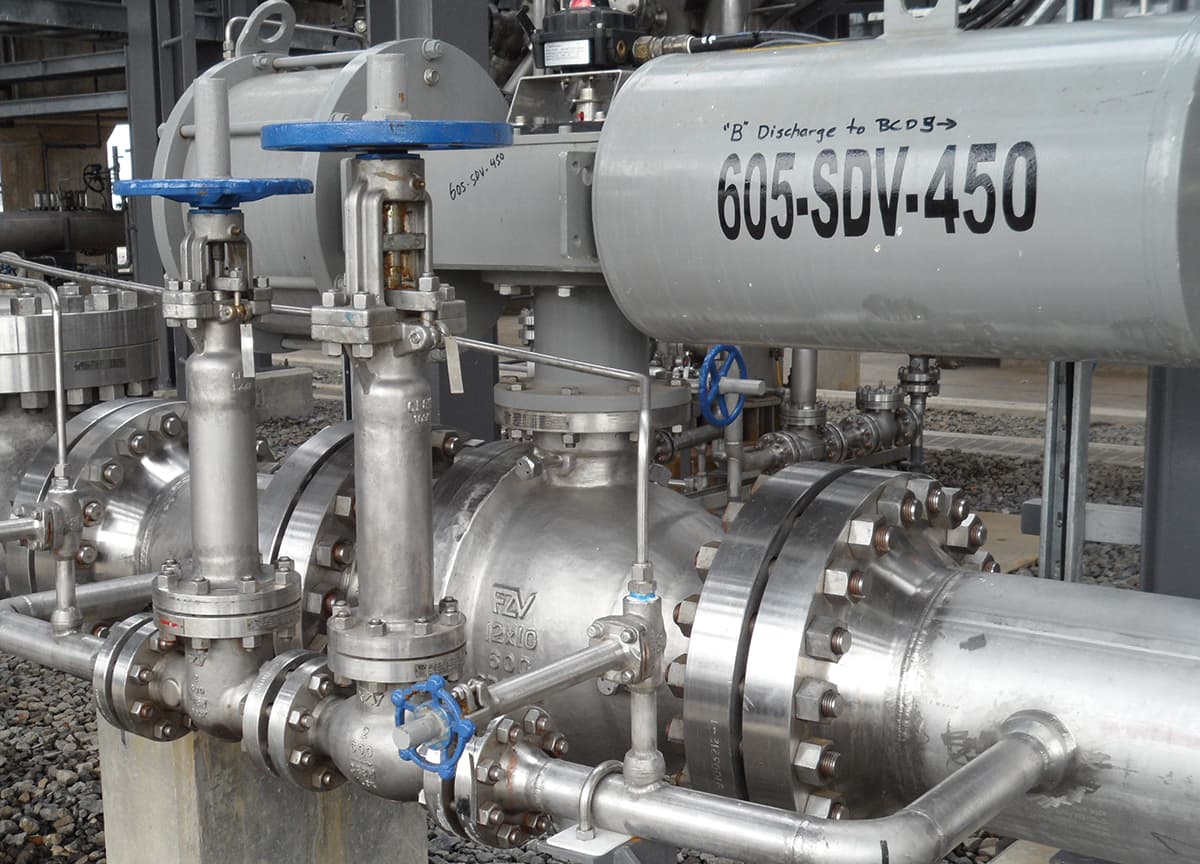
Industries Served
Trusted across the industrial landscape
RANGER products serve a wide range of industries and applications, from upstream production to general industrial service.
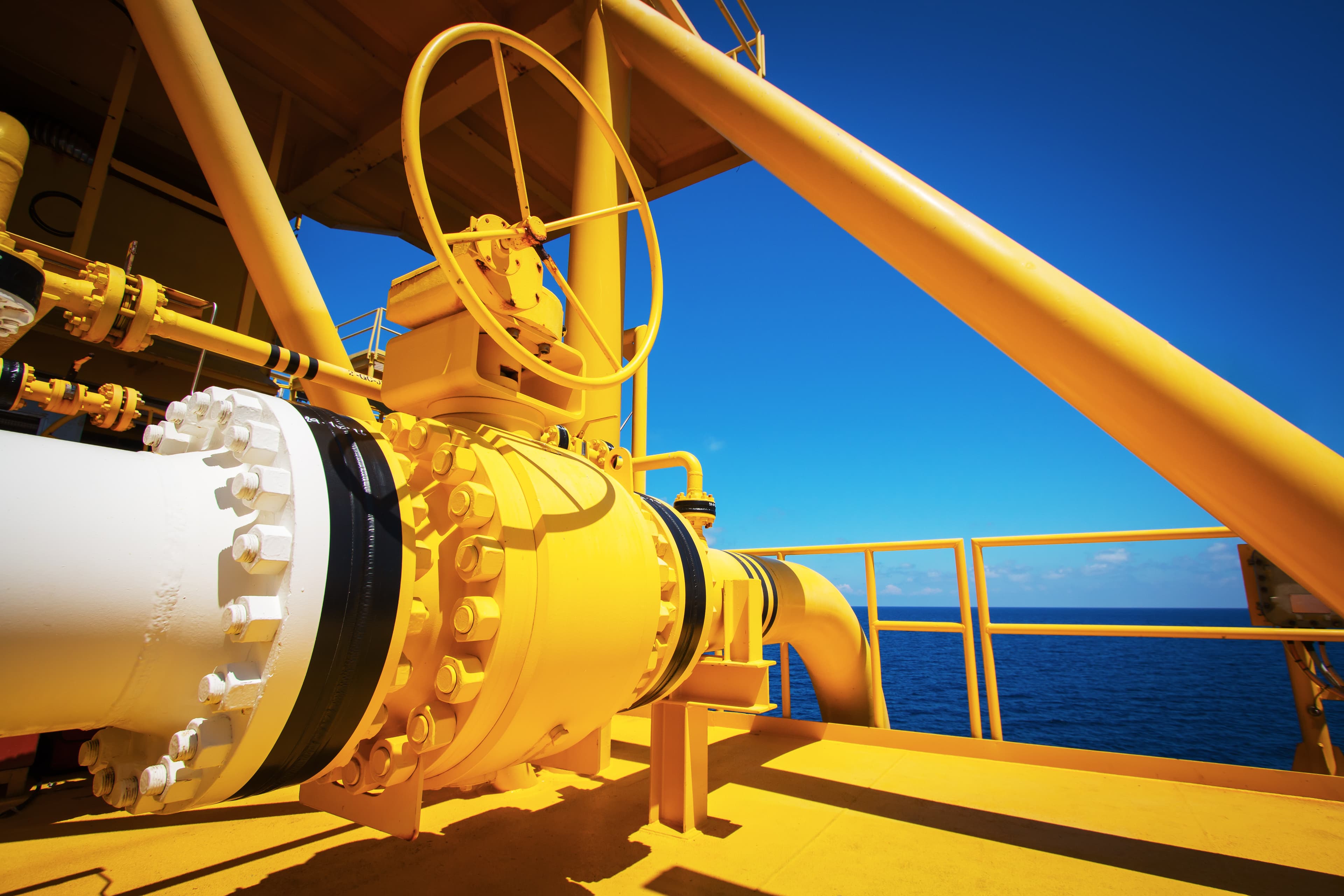
Oil & Gas
A wide range of API 6D, API 6A, and API 600 valves specifically designed for oil and gas production, gathering, and processing.
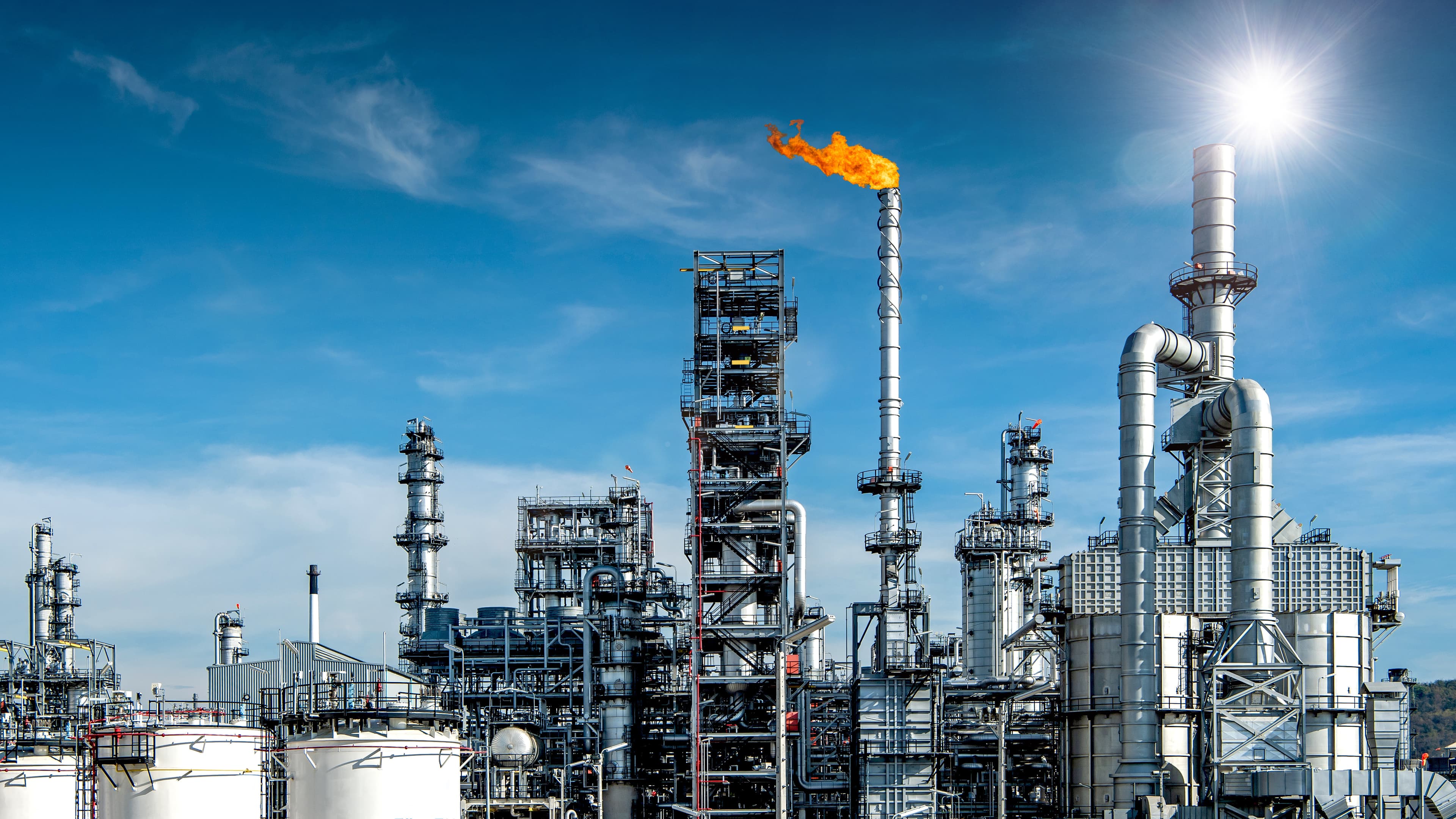
Refining, Chemical & Petrochemical
A complete line of specialty valves in a wide range of materials, including titanium, monel, and hastelloy.
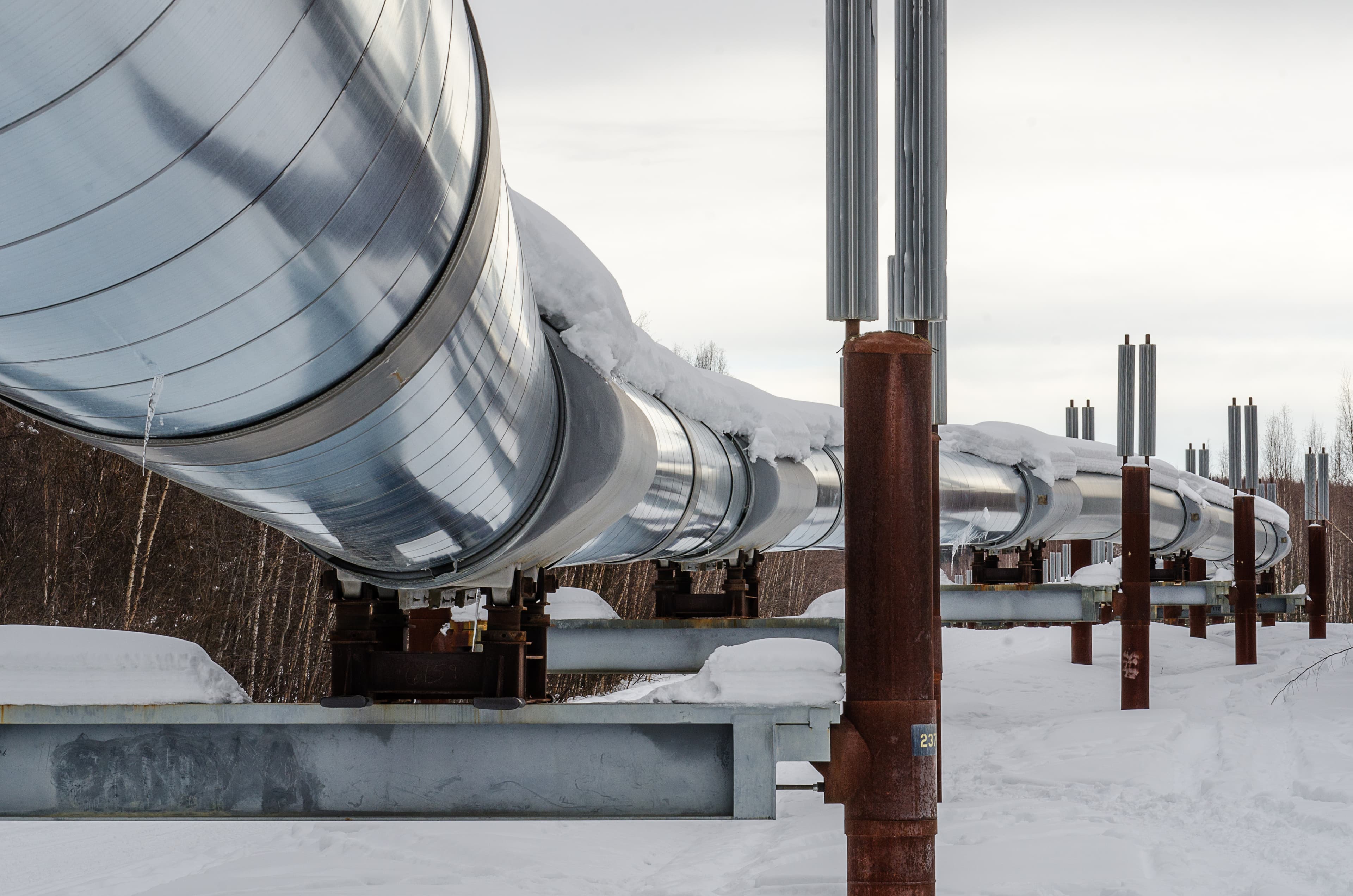
Pipeline & Transmission
A complete range of API 6D ball valves, plug valves, and through-conduit gate valves, including both slab and expanding gate designs.
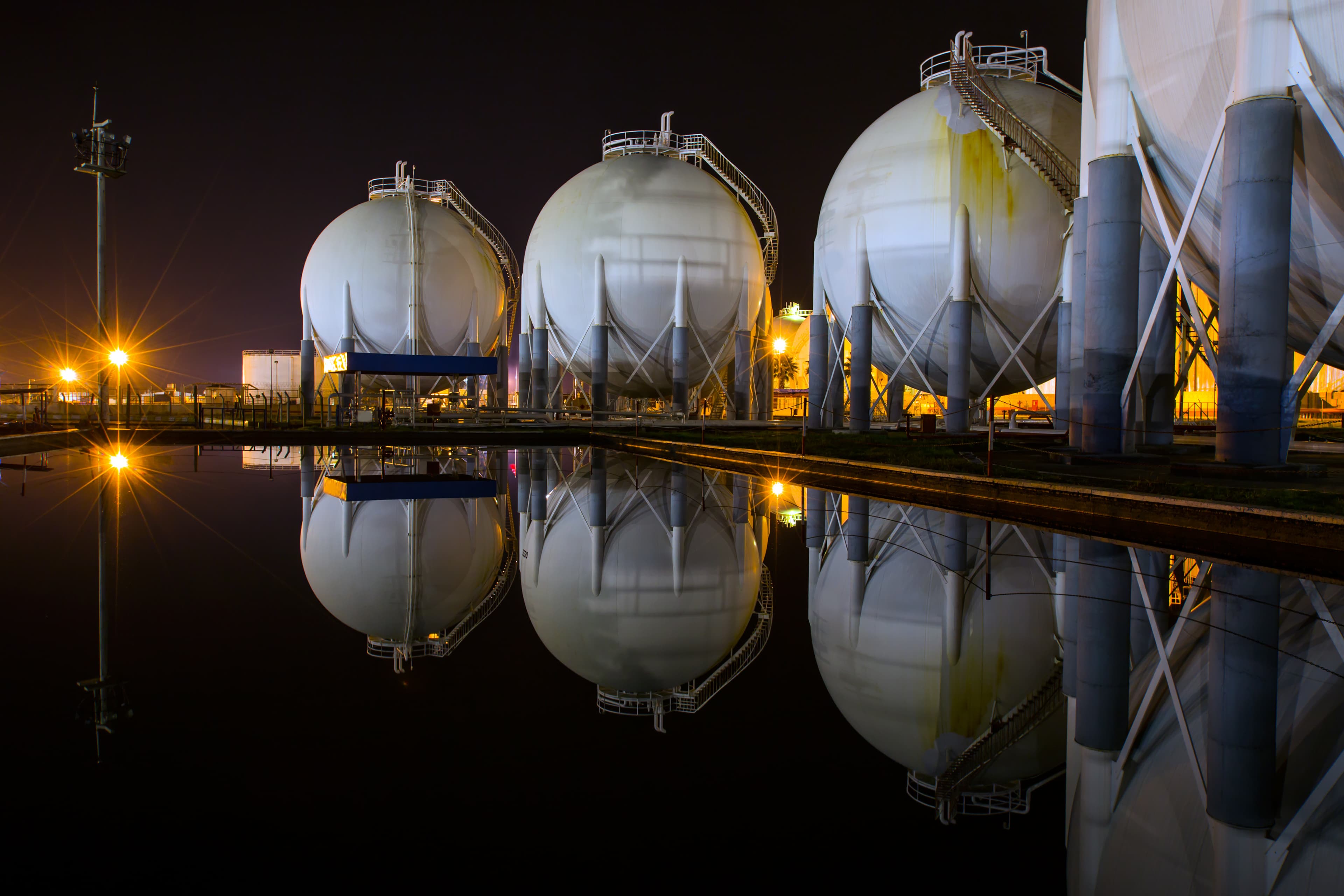
LNG & Cryogenics
A complete valve line for liquefied gases, LNG, and extreme low-temperature applications.
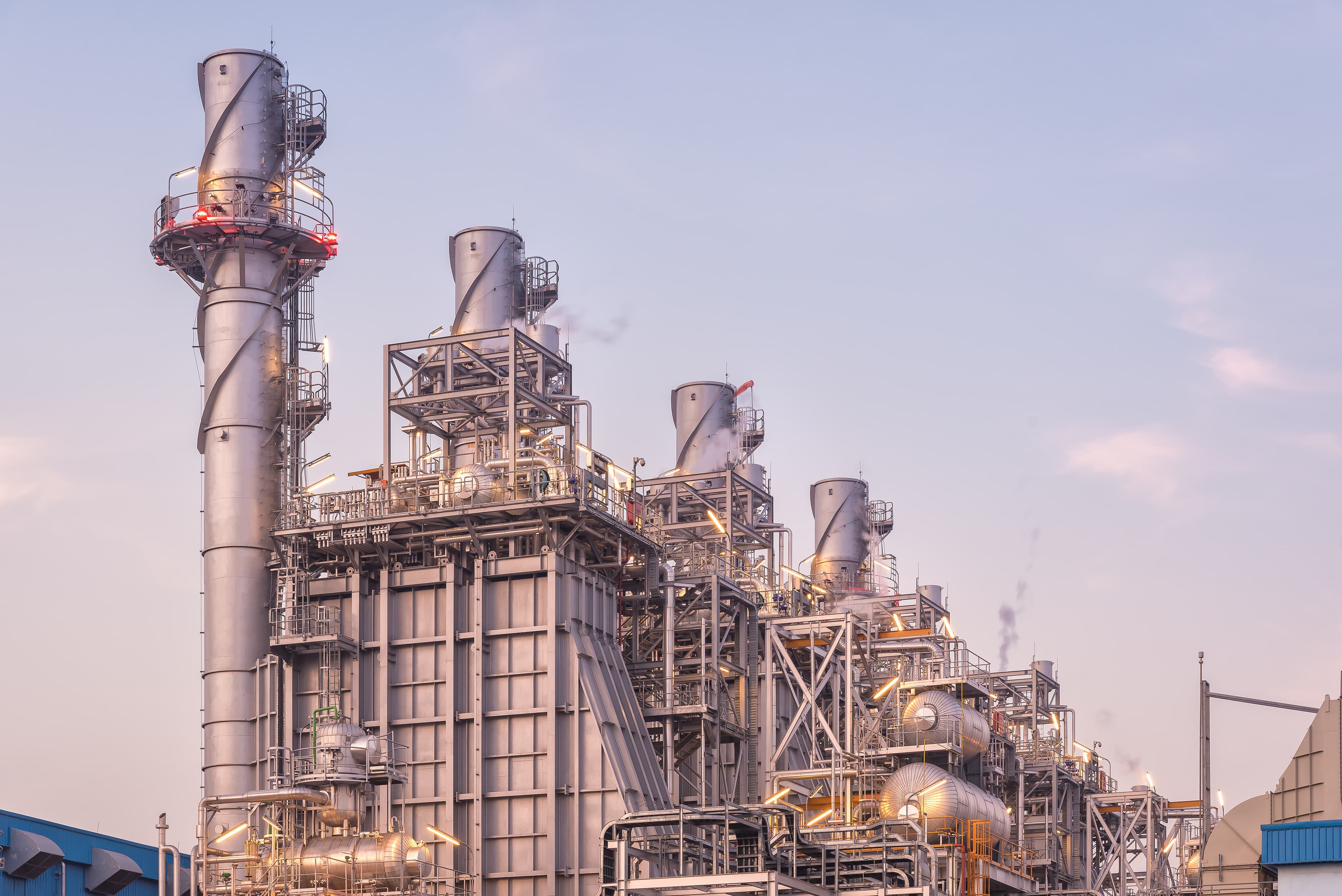
Power & Steam
Valves for both low and high pressure, high temperature applications, including steam service.
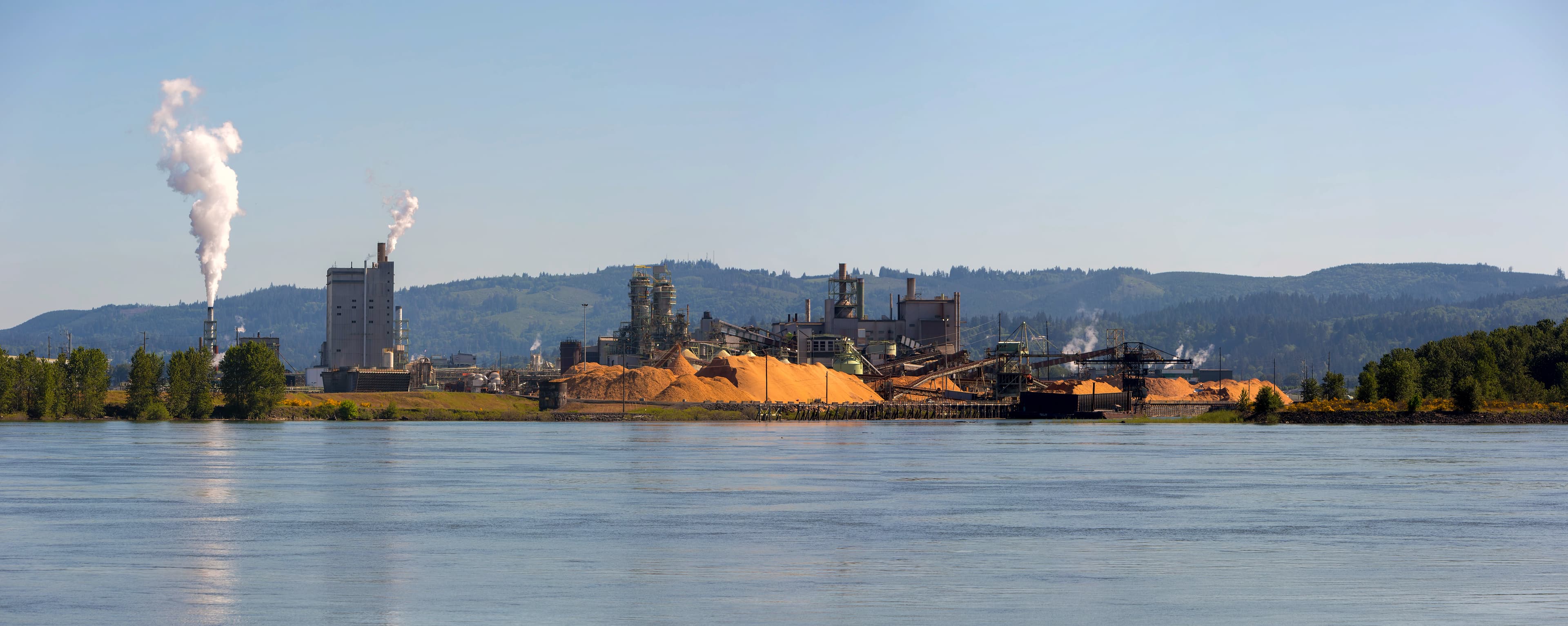
Pulp & Paper
A wide assortment of valve products for hot water, steam, oxygen, chlorine, and liquor service.
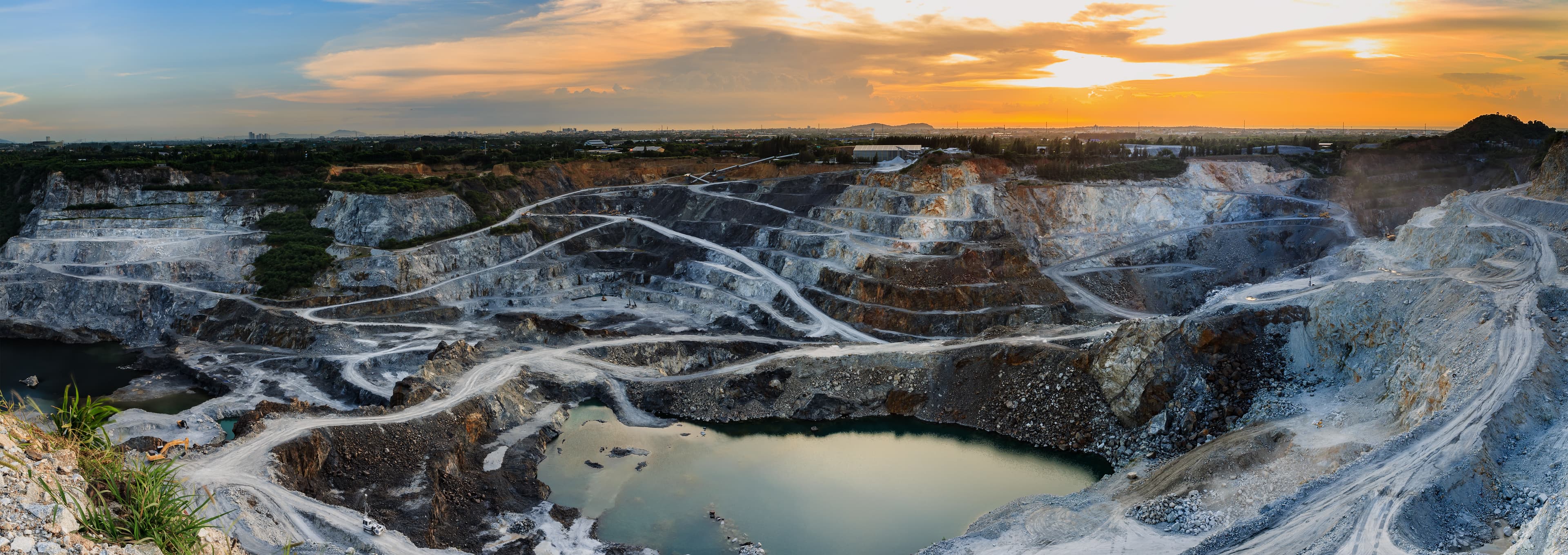
Mining & Metals
Capable valve products for difficult slurry, tailings, acid gas, isolation, and process gas applications.
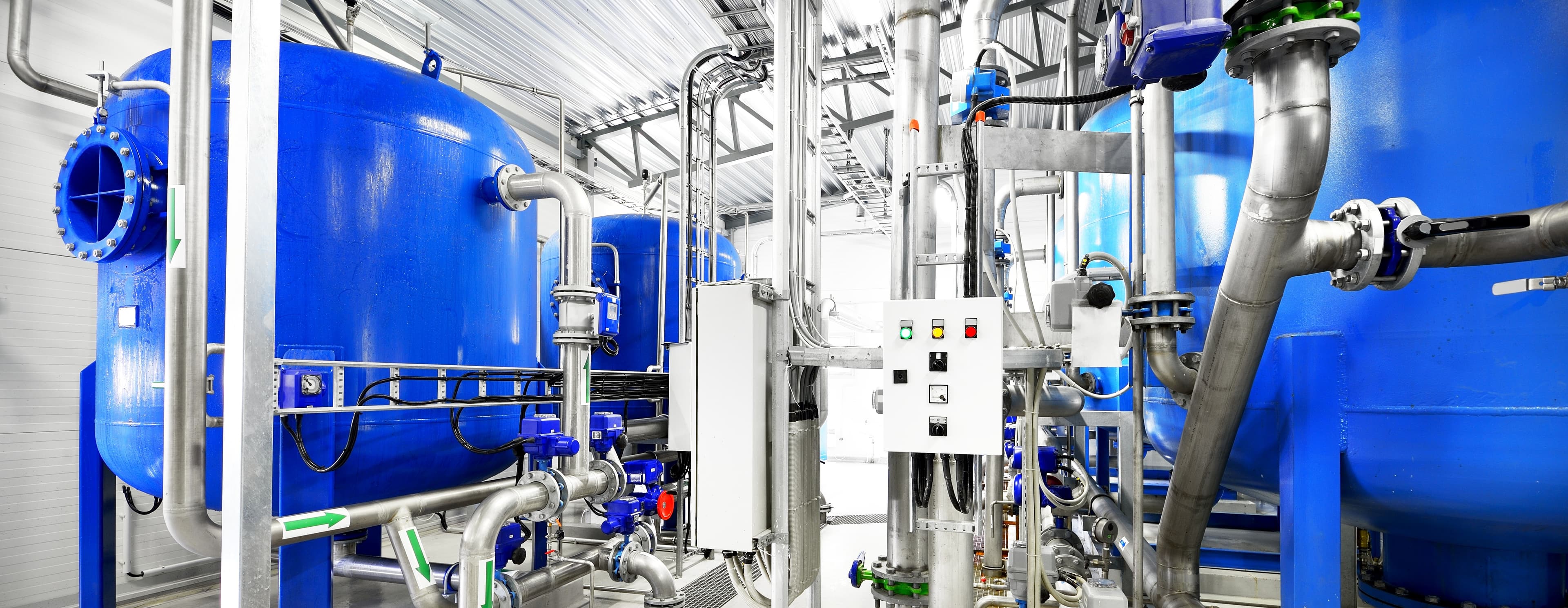
General Industrial
A wide assortment of valve products for a range of general industry applications.
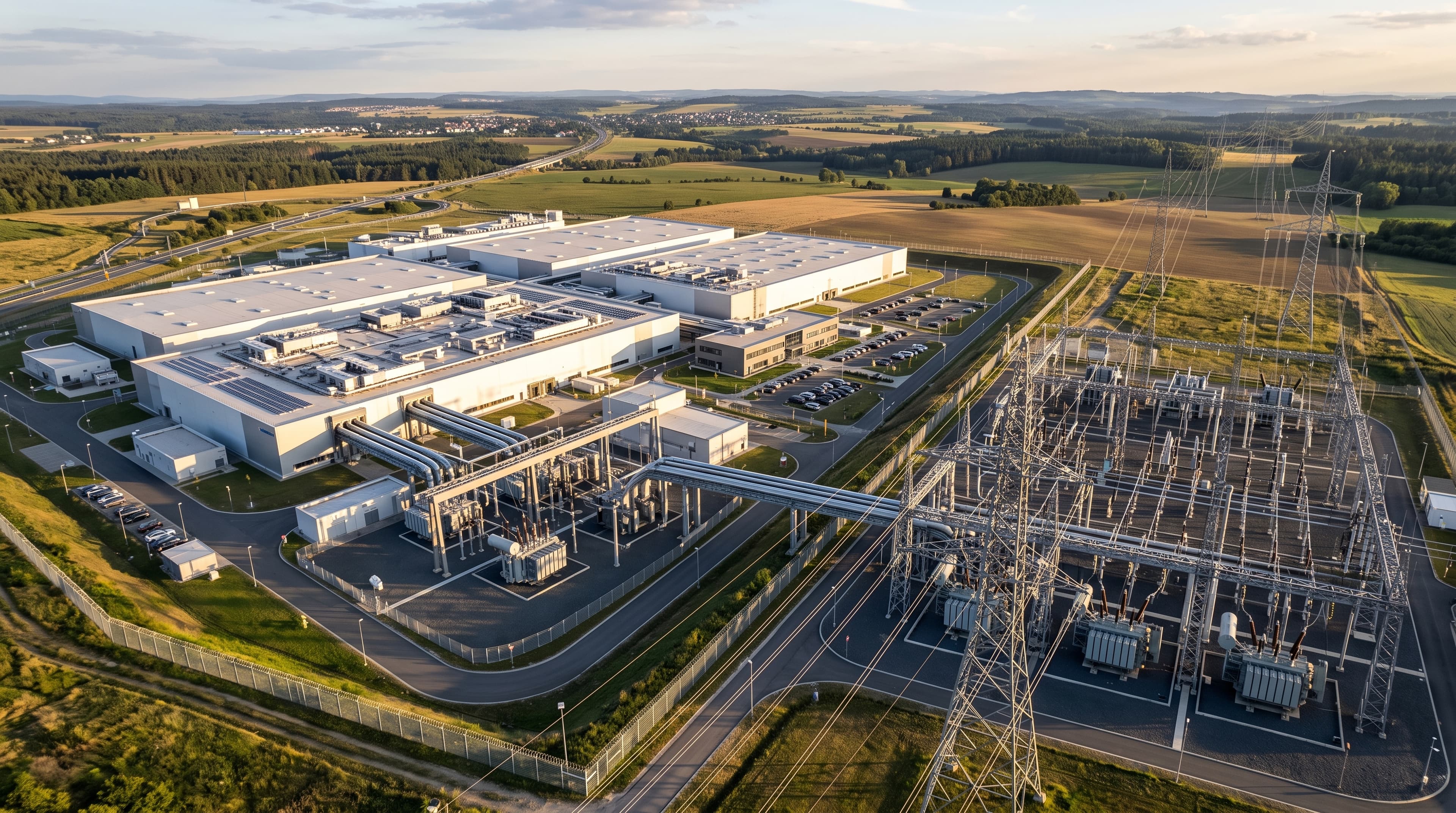
Data Centers
Cast steel and threaded/socket weld ball valves for chilled water cooling loops, small-bore utility piping, and backup generator fuel systems.
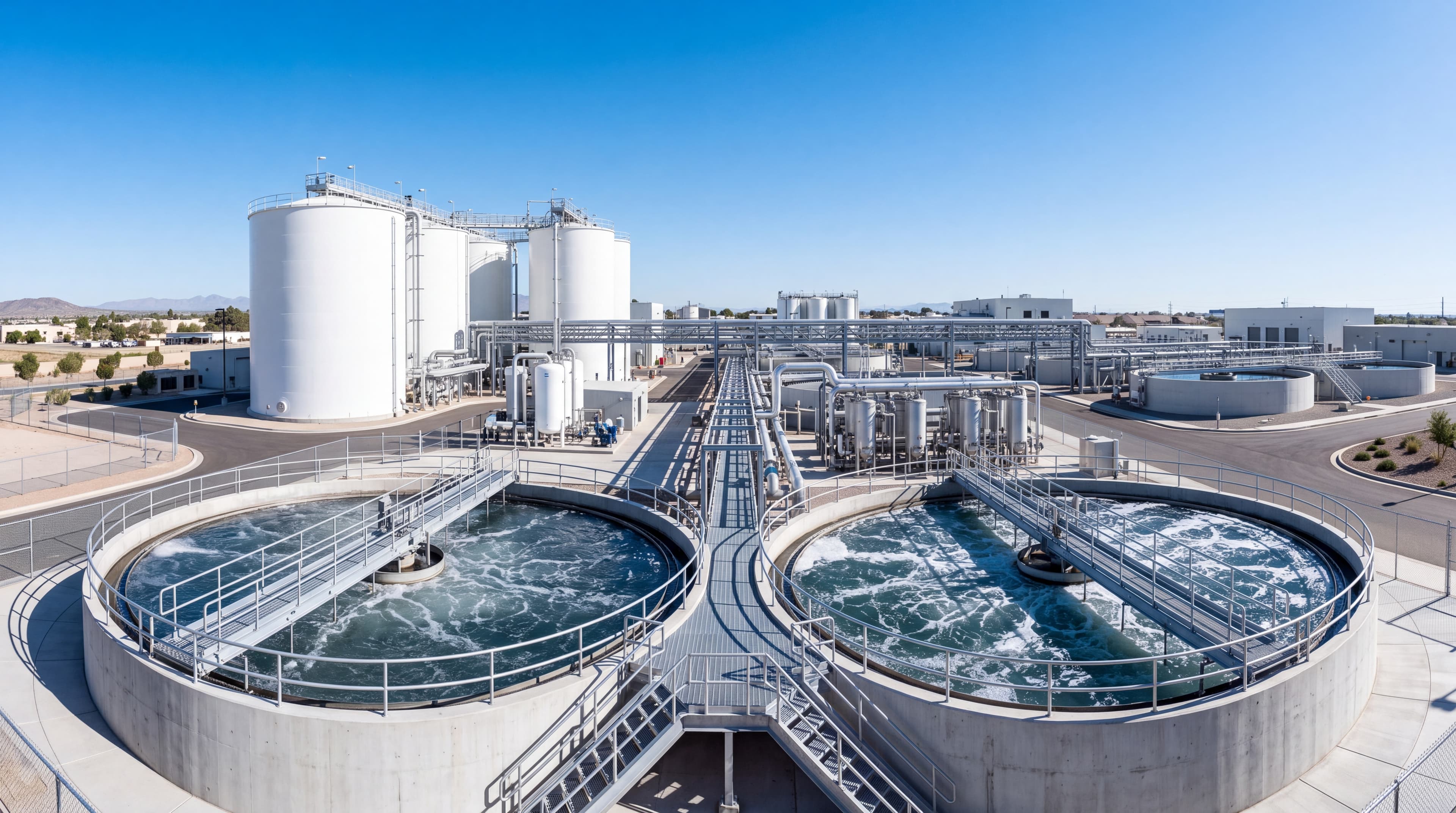
Water & Wastewater Treatment
Cast steel gate, globe, and check valves for municipal and industrial treatment plant isolation, chemical dosing, and distribution piping.
Applications
Matched to the application, by production stage
From upstream production through midstream transmission and storage to LNG service, RANGER matches specific valve designs to the sealing, cycling, and material demands of each application.
Upstream
Onshore Production
Separation
- —Demanding applications
- —Seal under varying pressures and liquid surges (slugs)
- —Backflow prevention critical — check valves
- —Utility and flare lines, and feed lines
- —Skid manufacturers, replacement in existing fields, and complete valve packages for projects
Wastewater Disposal
- —Water recovered from processes or extracted from oil applications must be disposed of safely as regulated by the Clean Water Act (CWA) and the Safe Drinking Water Act (SDWA)
- —Tank storage & underground wells
- —SS, aluminum bronze, and anti-corrosive property materials
Tank Battery
- —Strict sealing requirements and space and weight limitations
- —High cycle, often with high thermal variation
- —Reliable bi-directional sealing for liquids, gases, and produced water
- —Inlet valves required to close at high pressure, but also seal at low pressures
- —Backflow prevention & secondary seal
Recovery
- —Recycled fluids are expensive, and applications require zero-leakage valves
- —High temperature & pressure regularly
- —Reliable sealing & performance in CO2 and water flood applications
- —Over 50 small-bore floating ball valves on each unit
Wellhead & Completions
- —Key applications include large-bore completions, frac service, HPHT / ultra-HPHT, wellhead, Christmas tree, and steam service
- —Extremely high pressures — 2,000 psi to 30,000 psi
- —High variability in working temperatures — -75°F to 650°F
Midstream
Transmission & Pipeline
Transmission
- —Gas or crude oil pipelines require stringent international auditing agency guidelines, including API and ISO
- —Safe, efficient pipeline operation with limited downtime
- —Full-bore requirement for pigging
- —Maintenance and serviceability are key
- —Critical isolation, resistant to dirty service
Pump Stations
- —Pump stations maintain pressure in pipelines to ensure flow
- —Prevent backflow
- —Isolation as well as throttling applications required for maintenance and control
Compressor Stations
- —Compress natural gas to ensure flow
- —Inlet valves
- —Vibration control, pulsating applications
Emergency Shutdown (ESD)
- —The Emergency Shutdown Valve (ESD) is critical to pipeline safety, stopping flow in an emergency to protect the environment, equipment, and people
- —Actuated, bubble-tight, zero-leakage
Pigging
- —Clears the pipeline of debris that can degrade it over time; also used for pipeline inspection
- —Pig trap — through-conduit design required
Liquid Tank Storage
Multi-Product Manifolds
- —Product segregation — cannot cross-contaminate media including gasoline, diesel, kerosene, jet fuel, heating oil, LPG, crude oil, and natural gas — requires frequent operation, with valves often actuated
- —Zero leakage required to prevent expensive contamination and measurement loss
Tank Storage Isolation & Custody Transfer
- —Zero-leakage tank isolation required for liquid storage, LNG storage, and storage of refined product or chemicals
- —Often actuated with high cycle, thermal extremes, and requirements for space and weight savings, as well as reliable sealing in a compact design
LNG & Cryogenic
Liquefied Natural Gas (LNG)
Cryogenic Media
- —Certain gases require cryogenic temperatures (-238°F and below) to compress their volume and store efficiently, as they are not stable at atmospheric pressure
- —Clean room assembly required, as any foreign material can inhibit the valve at cryogenic temperatures
- —In-house testing is a requirement
Industrial Facilities
Data Centers
Liquid Cooling & Chilled Water
- —AI and hyperscale data centers rely on high-density liquid cooling loops — chilled water, glycol, and direct-to-chip systems — that demand reliable, leak-free isolation
- —High volume of small-bore branch and instrument connections across distribution piping
- —Rapid facility build-out schedules favor stocked, readily available valve sizes
Backup Power & Fuel Oil
- —Diesel generator fuel oil supply, return, and day-tank systems require dependable isolation for emergency backup power
- —Frequent testing and switching between utility and backup power cycles the valves regularly
Water & Wastewater Treatment
Treatment Plant Isolation
- —Municipal and industrial treatment plants require dependable isolation across intake, filtration, and distribution piping
- —Corrosive and abrasive media in chemical dosing and sludge handling lines
- —Long service life expected between maintenance cycles